
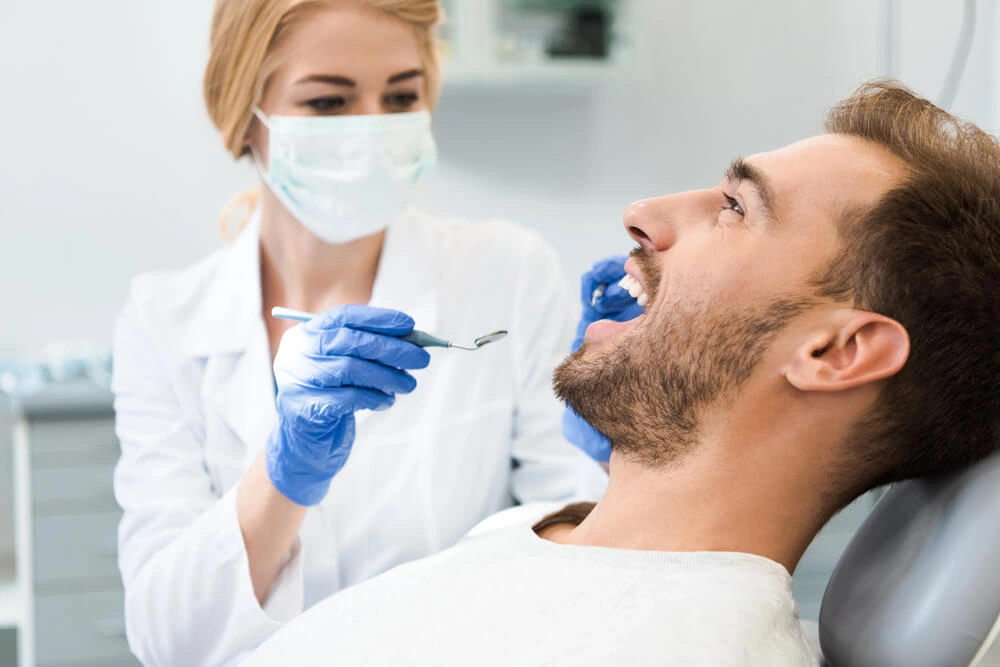
Many patients researching dental implants in New Brunswick, NJ are surprised to learn how much missing teeth can affect long-term oral health. Tooth loss does more than change your smile. Over time, it can also lead to bone loss in the jaw. This process happens gradually, though it may eventually affect chewing, facial appearance, and the stability of nearby teeth.
Understanding how bone loss develops can help patients make informed decisions about replacing missing teeth early.
Why Bone Loss Happens After Tooth Loss
The Jawbone Needs Stimulation
Healthy tooth roots help stimulate the jawbone every time you bite or chew. That stimulation keeps the bone active and strong. When a tooth is lost, the bone in that area no longer receives the same pressure and support.
Without stimulation, the body slowly begins to reabsorb the bone tissue. This process may start within the first year after tooth loss.
Changes in Facial Appearance
Bone loss can affect more than oral health. As the jawbone shrinks, facial features may begin to change. Some patients notice a sunken appearance around the cheeks or mouth over time. Lips and facial muscles may lose some support as bone density decreases.
Replacing missing teeth early may help preserve the natural structure of the face.
Nearby Teeth May Shift
Empty spaces left by missing teeth often cause nearby teeth to move out of position. Teeth may tilt, shift, or become harder to clean properly. These changes can affect bite alignment and increase the risk of additional dental problems.
Keeping teeth properly supported helps maintain a healthier and more balanced smile.
Chewing and Speech Can Become Difficult
Missing teeth and bone loss may make chewing certain foods more difficult. Some patients avoid harder foods because of discomfort or instability. Speech patterns can also change depending on which teeth are missing.
Replacing teeth may help improve daily comfort and function.
How Dental Implants Help
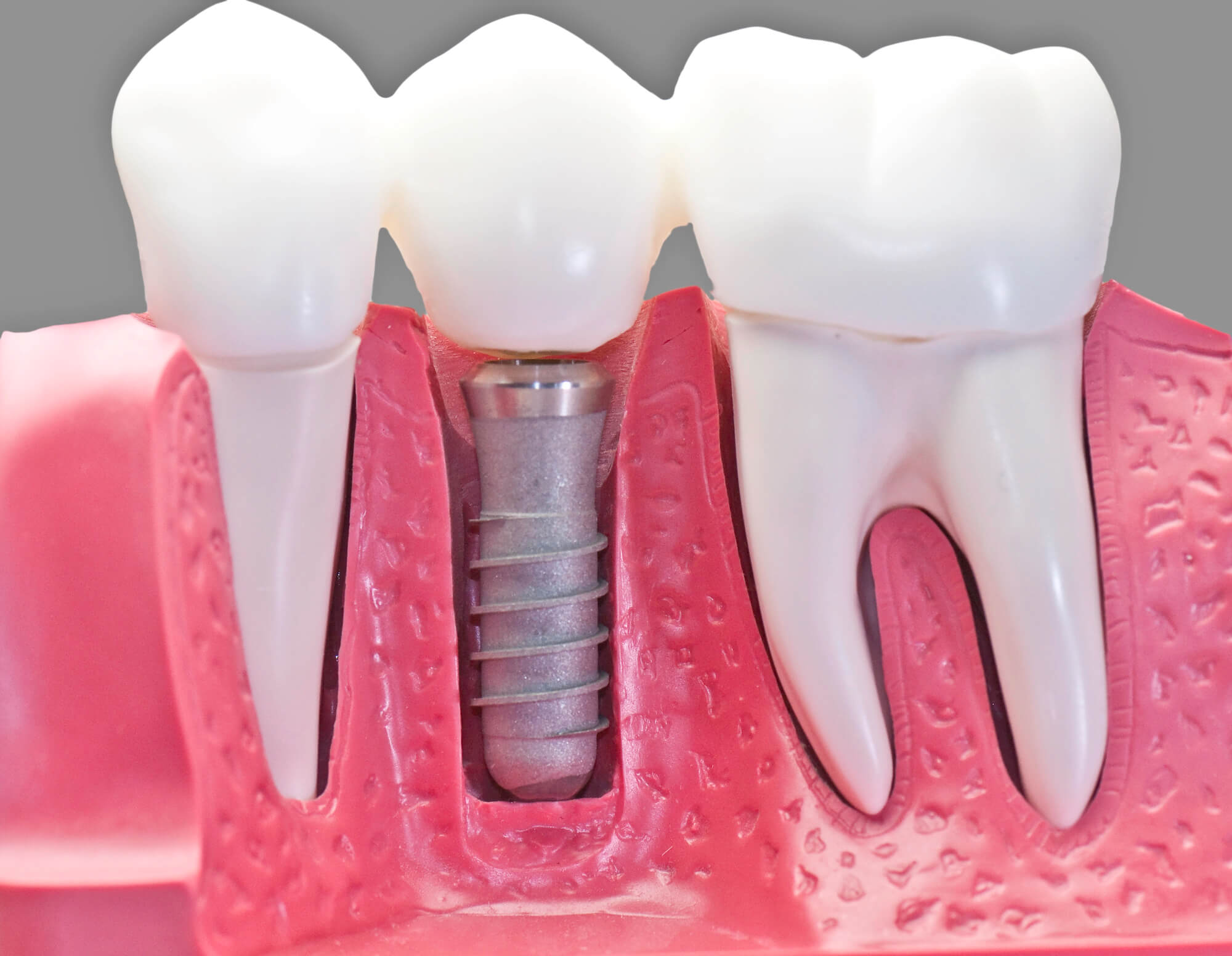
Dental implants are designed to replace both the visible tooth and the root underneath the gums. The implant post helps stimulate the jawbone similarly to a natural tooth root. This support may help reduce future bone loss while improving stability and appearance.
Many patients appreciate that implants look natural and function much like real teeth. They are securely placed into the jawbone, which helps create a stronger and more comfortable bite compared to some removable options. Patients can often enjoy speaking, smiling, and eating with greater confidence after treatment. Dental implants also help support surrounding teeth by keeping the bite more balanced. With proper care and regular dental visits, implants can remain a long-lasting solution for restoring both oral health and everyday comfort.

Why Patients Choose Dental Implants in New Brunswick, NJ
Treating missing teeth early often helps protect long-term oral health and preserve jawbone structure. Dental implants provide a durable and natural-looking solution for many patients dealing with tooth loss.
If you are considering dental implants in New Brunswick, NJ, the team at Smile Bright Dental is here to help. We provide personalized care and treatment options designed to restore comfort, confidence, and function. Contact us today to schedule your consultation and learn more about your implant options.
Recent Comments